
Hard Phone Calls, Messy Houses, and Words We Wish We Hadn’t Yelled

I still remember the moment I got the call.
Several days earlier, I had undergone a biopsy of the lymph nodes under my arm. The initial imaging suggested they looked normal. But a PET scan a week later told a different story—they lit up like a Christmas tree. I had been forced to stop breastfeeding right before the scan. Were the changes simply from the abrupt weaning? Or was it cancer?
“Hello?” I answered.
“Is this a good time?” the nurse asked.
I looked around my house. Stuffed animals littered the floor. A neighbor was about to arrive any moment to take two of my kids to swim team. My babysitter was on her way out the door.
No, I thought. This is a very, very bad time.
Instead I heard myself say, “As good a time as any, I guess.”
“Your lymph nodes were positive for metastatic cancer.”
My jaw dropped. I had been hoping and praying for better news. Sometimes I hate hope—because it leaves us especially vulnerable.
Tears blurred my vision. Just then I heard a car horn beep outside.
“I don’t want to go to swim!” my daughter cried, curling up on the couch with a blanket over her eyes.
And in that moment, with tears streaming down my face, I yelled:
“GET IN THAT VAN RIGHT NOW!”
She looked at me with wide eyes. Just then the babysitter walked in, saw the situation, picked her up, and carried her outside.
Yes. That was me.
Yelling mom.
Ugly crying mom.
When your worst nightmare comes true, how do you keep mothering with strength and courage?
In that moment, I had no idea.
I desperately want my children to see a mother marked by faith, peace, and perseverance. That sounds nice, doesn’t it? Tidy. Organized. Spiritual.
But things like cancer don’t arrive neatly. They shake us at the core. They dismantle the structures we thought were holding us together.
Instead of calm, collected mom, that afternoon in July my kids got a mother who felt like a tidal wave was crashing over her head.
My life felt like a pressure cooker about to burst.
For a few hours afterward, the house was quiet. The kids were at swim practice. The baby finished her nap.
I cried.
I prayed.
I called my husband.
I was tempted to conclude that I had failed.
But that is not God’s voice.
And in the quiet, I sensed Him whisper:
I love you. I am with you. It may look like you are surrounded, but I am surrounding you. You don’t need the answers. You don’t need to fix this. You just need me.
Later that night, I walked over to the child I had yelled at earlier.
I knelt down and looked her in the eyes.
“I’m so sorry I yelled,” I said. “Mom had a really hard day. Will you forgive me?”
She smiled and wrapped her arms around my neck.
“Of course, Mama.”
Because children know how to forgive. They know how to keep short accounts.
What my kids are learning from me is not perfection.
They are learning that sometimes really hard things happen to us. And sometimes those moments look messy and raw and painfully human.
But God is a God of repair.
He meets us in broken places—in barren seasons, in ashes, in floodwaters—and begins the slow work of mending what feels impossible.
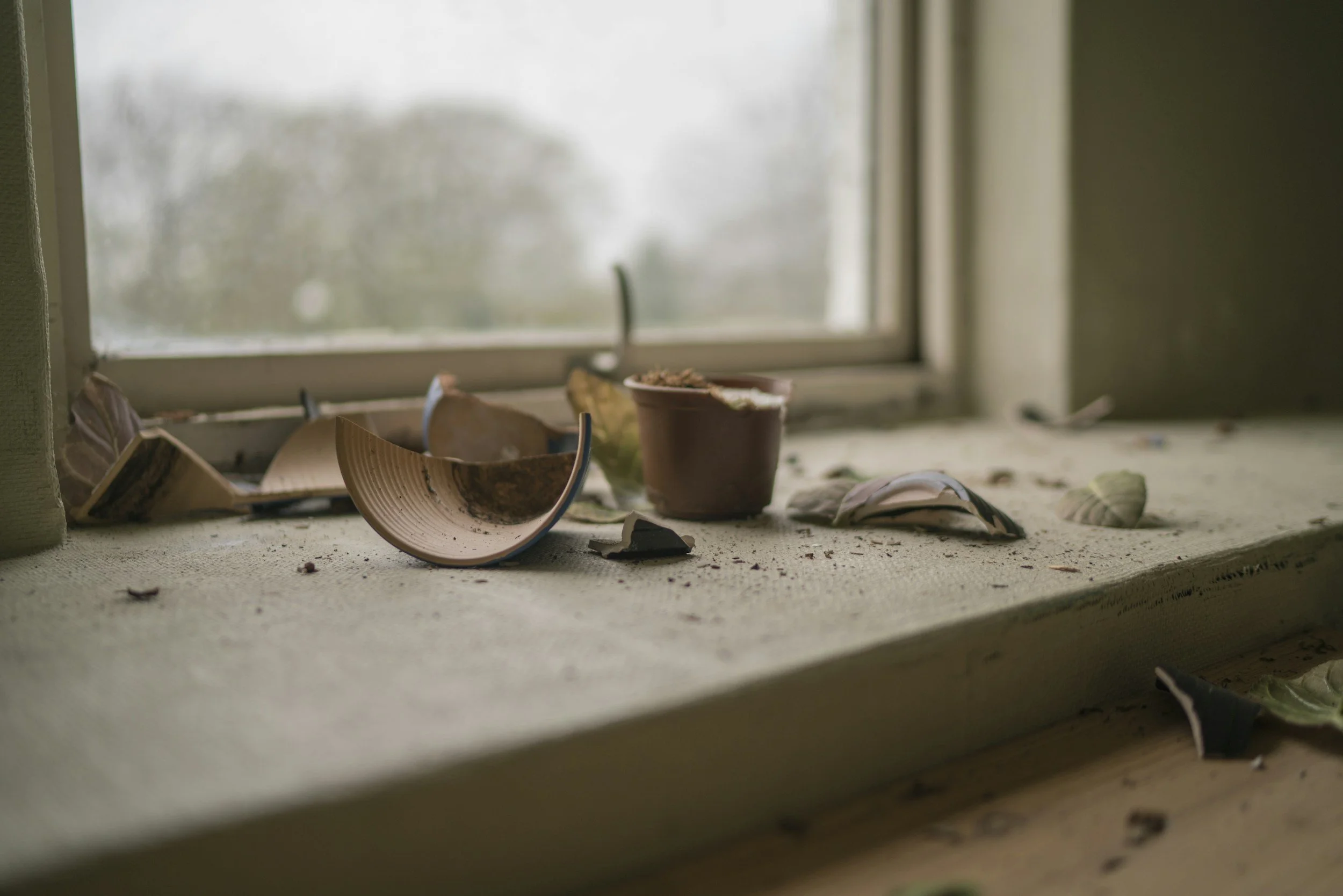
We are jars of fragile clay. Quick to crack. Quick to shatter.
But what we carry inside us is something far stronger.
A God who is renewing us day by day.
Reflection
When have you received news that completely unraveled you—and still had to keep showing up for others?
How do you tend to respond when stress or fear spills over onto the people around you?
What picture of “the kind of parent you should be” are you trying to live up to? How is that expectation helping—or quietly crushing—you?
In your hardest moments, do you tend to turn toward God—or pull away from Him?