Why Anxiety Did Not Prepare Me
Obviating (v): to anticipate and prevent (something) or make an action unnecessary
I spent most of my life waiting for the next shoe to drop.
I had a wonderful husband, beautiful daughters, a house, a job. Life felt almost too good. I was certain something bad must be coming. So I prepared. I worried. I wondered, Is today the day it all crumbles?
I anticipated all sorts of calamities and tried to prevent them.
“Be careful on that edge.”
“Maybe you should wear knee pads while rollerblading.”
“That doesn’t look safe.”
If my husband came down with a virus, my mind immediately jumped to worst conclusions. What if he dies? What if I have to carry on alone?
I lived like this for years.
This kind of catastrophic thinking and over-preparing is surprisingly common among mothers. In fact, it can feel so normal that we barely notice it. But what we fail to acknowledge is that it is very expensive.
What does it cost?
Our peace.
Our enjoyment of God’s many gifts.
Our ability to trust His provision—both when life is going well and when the world feels like it’s crashing down around us.
Where did all that “obviating” get me?
Very tired. Depleted. Weary.
I worked so hard to avoid hard things—to obviate stomach bugs, broken bones, car accidents, broken cups, spills on the kitchen floor. Surely if I just prepared enough, if I stayed alert enough, there would be fewer mishaps.
But then cancer came.
At age 36.
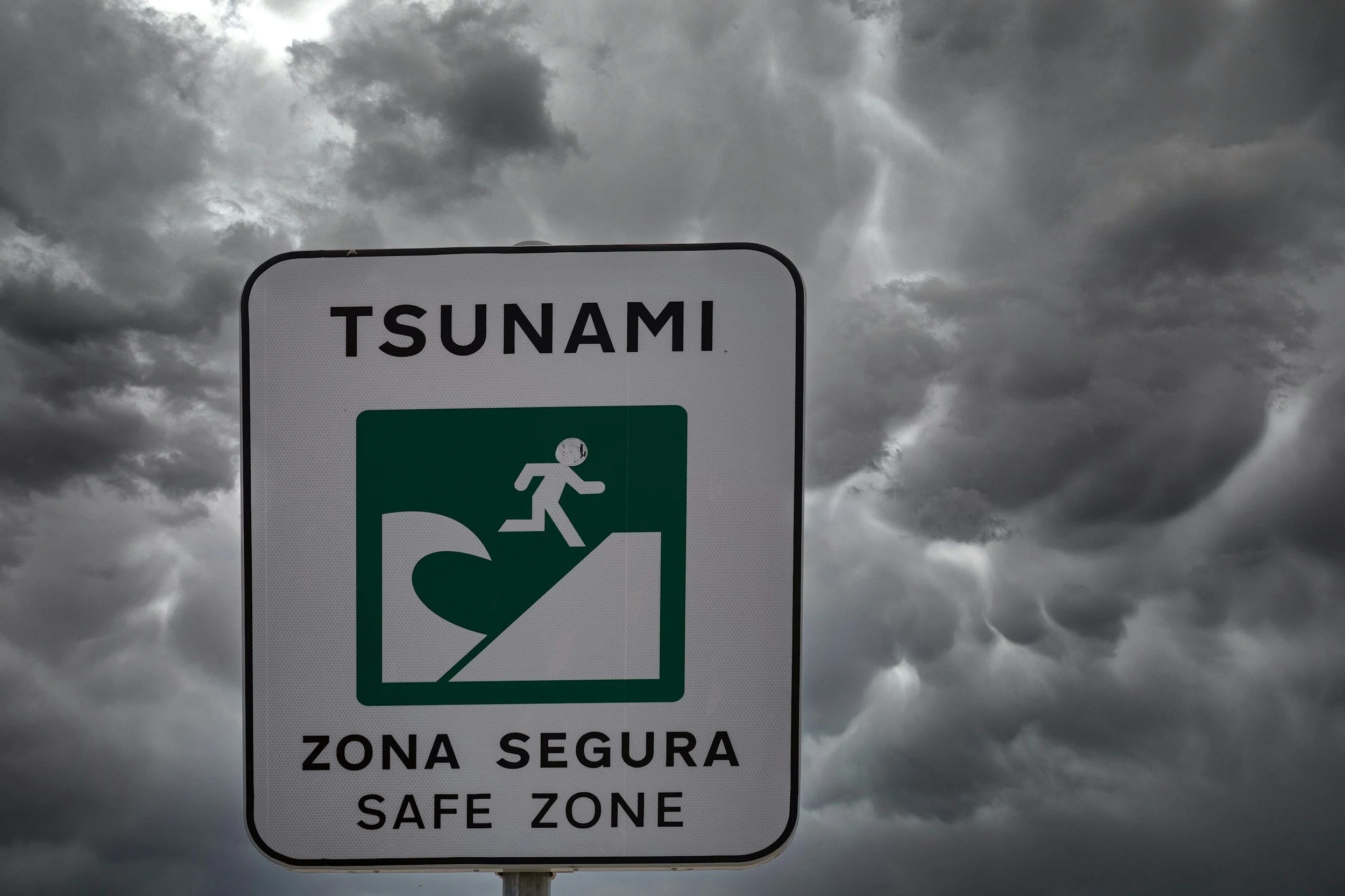
It rose like a tsunami out of what looked like a calm ocean. No warning. No heads up.
And do you know what all that anticipating and preparing and obviating did for me?
Absolutely nothing.
The tidal wave came anyway.
Sometimes I even wonder if all that doom-prepping contributed to my illness. The lost sleep. The constant stress. The white-knuckled attempt to control things that were never mine to control. Draining my battery. Depleting my body. Quietly stealing my joy.
Apparently God knew this kind of thinking would be a struggle for us. So He wrote something about it.
Psalm 127:1–2 says:
Unless the Lord builds the house,
those who build it labor in vain.
Unless the Lord watches over the city,
the watchman stays awake in vain.
It is in vain that you rise up early
and go late to rest,
eating the bread of anxious toil;
for he gives to his beloved sleep.
Sounds beautiful, right?
Funny thing is—I knew this verse. It was one of my favorites.
But somehow I was living more like this:
Psalm 127: The Mom Version
Unless I build the house,
everything will definitely fall apart.
Unless I personally watch over the city—
the kids, the schedules, the snacks, the homework, the emotional climate of the house, the future therapy bills—
nothing will be safe.
It is absolutely necessary that I rise up early
and go late to rest,
running mental simulations of every possible disaster.
What if someone gets sick?
What if I forget something important?
What if I ruin my children’s lives because I bought the wrong brand of yogurt?
So I lie awake eating the bread of anxious toil—
scrolling Google, replaying conversations,
mentally reorganizing tomorrow’s carpool schedule.
Meanwhile the Lord gently offers sleep…
…but I decline.
Because clearly everything will collapse if I stop thinking about it for five minutes.
So, momma, today learn from my blunder and be wiser because of it.
Allow Psalm 127 to quietly interrupt your frantic mothering.
“Unless the Lord builds the house, those who build it labor in vain.”
It turns out the house was never resting on my shoulders in the first place. Not my vigilance. Not my late-night mental rehearsals of worst-case scenarios. Not the exhausting belief that if I think hard enough I can keep everyone safe.
God is the builder.
God is the watchman.
Which means the invitation for anxious mothers like me is surprisingly simple:
Step down from the tower.
Put the clipboard of possible disasters away.
Go to bed.
Because the One who is actually in charge of the house never sleeps.
I can close my eyes and rest, because His are always open. Because even when disaster strikes—as it did for me—it is still in His hands.
And it is far better to be in His hands in the middle of a tidal wave than to have over-prepared your way to a quiet little shore He never intended you to live on.
And in His kindness, He gives sleep to His beloved—
even the moms who are slowly learning they don’t have to run the whole world.
The irony is that while I spent years trying to prepare for the storm, the peace I was searching for was waiting on the other side of surrender.
Lord, teach me to trust You with the house I keep trying to hold together. Help me step down from the watchtower and rest in the care of the One who never sleeps. Amen.
Where in your life are you “eating the bread of anxious toil”—mentally rehearsing disasters or trying to control outcomes that ultimately belong to God? What is it costing you? Are you willing to pay that price?
If God truly is the one building the house and watching over the city, what would it look like for you to step down from the watchtower in one area of your life this week?
When uncertainty rises, do you move toward God in trust—or toward control in fear? What might surrender actually look like for you right now?